Key Takeaways
- Some children diagnosed with cerebral palsy have an underlying genetic condition.
- Exome sequencing can help identify genetic causes of developmental delay and seizures.
- A genetic diagnosis can guide medical care and identify additional health risks.
- For Savannah’s family, a diagnosis also led to community, advocacy, and new hope.
When Developmental Delays First Appeared
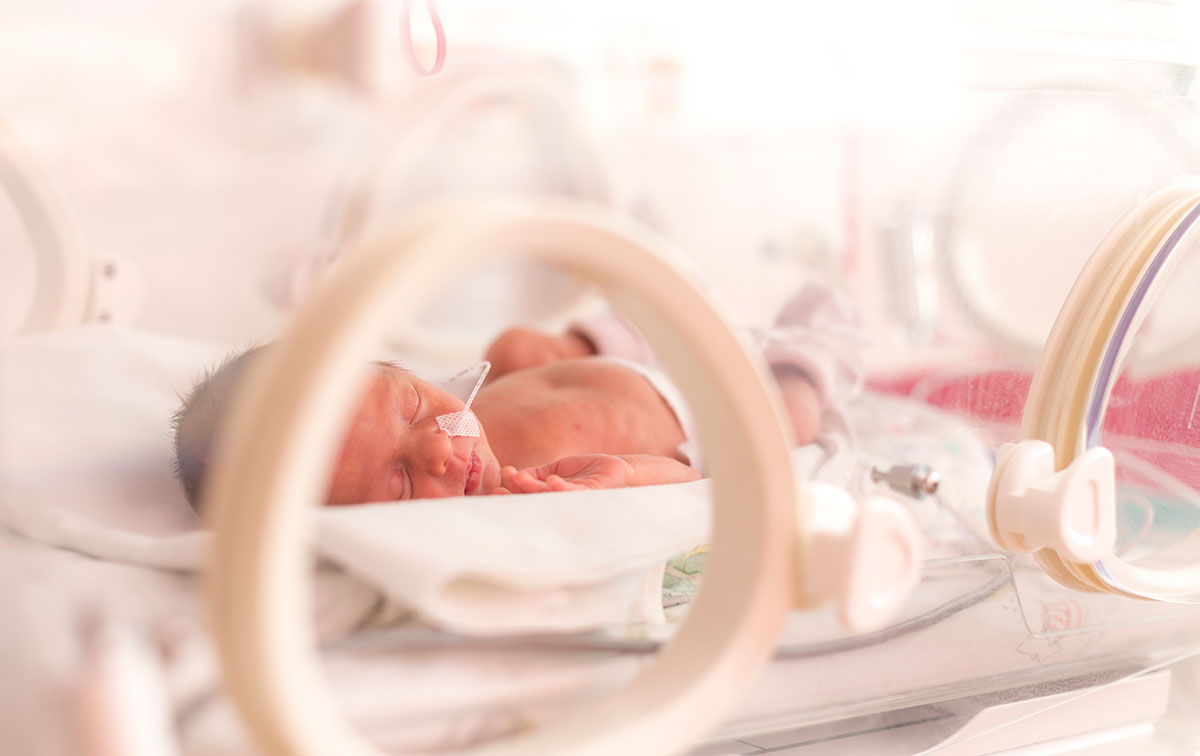
Emily and her husband Cody had been trying for over a year to have a child when Emily became pregnant with Savannah.
The pregnancy and birth were completely normal.
But at Savannah’s four-month pediatric appointment, her doctor noticed she was not progressing toward expected developmental milestones.
“We weren’t too concerned at first,” Emily recalls. “We were told every child develops at their own pace.”
But by Savannah’s six-month appointment, her pediatrician knew something was wrong.
“She said she was going to help us figure out what it was.”
Seeing Specialists Early
Savannah showed several concerning symptoms:
- crossed eyes
- low muscle tone
- delayed motor development
The pediatrician referred Savannah to several specialists:
- ophthalmology
- neurology
- genetics
Savannah began physical and occupational therapy while doctors searched for answers.
The geneticist ordered a chromosomal microarray test, which came back normal.
Trusting a Mother’s Instinct
Soon after, Savannah began experiencing seizures.
Emily noticed subtle head drops that others initially dismissed.
“My mom gut told me something wasn’t right,” she says.
An EEG confirmed the seizures and Savannah began anti-seizure medication.
When the microarray test came back normal, Emily assumed that meant nothing was wrong.
Instead, doctors recommended another genetic test—exome sequencing.
“I remember wondering why we didn’t just do that test in the first place,” Emily says.
Why Exome Testing Can Make a Difference
Microarray testing looks for missing or duplicated pieces of DNA.
Exome sequencing analyzes approximately 20,000 genes, including many known to cause disease.
This broader testing approach can identify genetic causes of conditions such as:
- epilepsy
- developmental delay
- intellectual disability
- congenital anomalies
In fact, studies suggest that up to one-third of children diagnosed with cerebral palsy have an underlying genetic condition.
The Moment Everything Changed
Savannah was ten months old when the exome test results arrived.
Emily remembers the exact moment.
“I got an alert on my phone saying there was a new test result in MyChart.”
When she opened the results, she saw a diagnosis:
CTNNB1 syndrome
“I just collapsed onto the counter,” she says. “I didn’t even know what CTNNB1 syndrome was.”
Yet even in that moment, there was relief.
“We finally had answers.”
Finding Community and Hope
The diagnosis explained the genetic cause behind Savannah’s cerebral palsy.
Soon after, Emily discovered a CTNNB1 support group on Facebook.
“For the first time, I realized we were not alone,” she says.
Families around the world had experienced the same moment—the same diagnosis day.
Emily soon became deeply involved in the CTNNB1 community.
A Diagnosis That Prevented Serious Complications
Without a genetic diagnosis, Savannah may never have been screened for certain conditions associated with CTNNB1 syndrome.
Doctors discovered she had a tethered spinal cord, which required surgery to prevent permanent nerve damage.
Another risk associated with CTNNB1 syndrome is retinal disease, which can lead to blindness if not monitored.
These complications are not typically screened for in children with a general cerebral palsy diagnosis.
The genetic diagnosis made early intervention possible.
Life Today
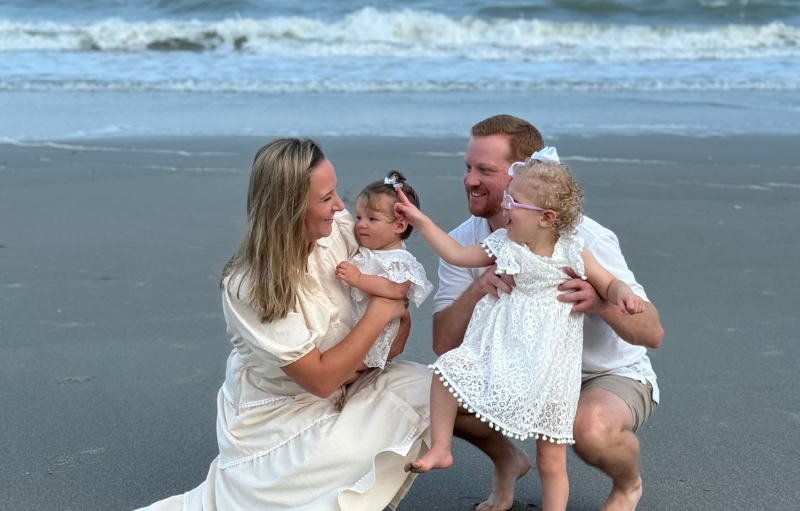
Savannah is now three years old and attends a special pre-K program.
She is learning to communicate using an AAC device, which has opened new possibilities for her development.
“It’s amazing how much she understands,” Emily says.
Savannah’s younger sister Nora is now her favorite sidekick.
Turning Diagnosis Into Advocacy
Emily is now the president of CTNNB1 Connect and Cure, an organization dedicated to:
- raising awareness
- supporting families
- funding research
Today approximately 450 individuals worldwide are known to have CTNNB1 syndrome.
Emily continues working to improve care and support for families affected by the condition.
Advice for Other Parents
Emily encourages parents to trust their instincts.
“Always trust your mom gut,” she says.
“Ask for an exome test early and don’t stop asking questions.”
Wondering If Exome Testing Is Right for Your Child?
Genetic testing can help identify the underlying cause of developmental delays, seizures, and other unexplained symptoms.
The first step toward comprehensive genetic testing is speaking with your child’s doctor.
For families who have difficulty accessing testing, GeneDx also offers a telehealth pathway that connects parents with genetic experts who can review symptoms and help determine whether testing may be appropriate.