Key Takeaways
- Hereditary hemorrhagic telangiectasia (HHT) is a rare genetic condition that can be difficult to diagnose early.
- Symptoms such as frequent nosebleeds and fatigue may appear years before a diagnosis is confirmed.
- Genetic testing can help confirm a diagnosis and guide monitoring for serious complications.
- Early diagnosis can also help identify other family members who may be affected.
When Symptoms Are Dismissed
Sarah experienced frequent and long-lasting nosebleeds throughout childhood. At the time, they seemed normal—her mother had them too.
What Sarah didn’t know was that nosebleeds are a hallmark symptom of hereditary hemorrhagic telangiectasia (HHT), a rare genetic condition that affects blood vessels throughout the body.
Left untreated, HHT can lead to serious complications including strokes, blood clots, pulmonary hypertension, bleeding in vital organs, and heart failure.
As Sarah got older, new symptoms appeared.
Fatigue. Severe headaches. Anemia.
Yet when she brought these symptoms to her care team, she often felt dismissed.
“I had anemia, bad headaches, and was overly fatigued. I had blood spots on my fingers, lips, ears, and in my mouth. I couldn’t make it through the day,” she says.
“I went from running and doing yoga to needing to lie down on the couch constantly.”
Advocating for Answers
Sarah eventually realized she would need to advocate for herself.
“As a patient, you really have to advocate for yourself within the medical community,” she says. “If you feel like something isn’t right in your body, it’s important to keep searching for answers.”
After several years of persistent symptoms, her nurse practitioner referred her to a hematologist.
She began receiving iron infusions for anemia, but her symptoms continued.
“They told me, ‘You’re being treated with iron; you’re fine.’ But I wasn’t fine.”
For years, Sarah searched for answers on her own—an experience many families describe as the diagnostic odyssey, the long and uncertain journey to a rare disease diagnosis.
Eventually, a short visit with an ear, nose, and throat specialist changed everything.
A Diagnosis in Minutes
During the appointment, the physician noticed small blood vessel spots in Sarah’s mouth.
Within minutes, he suspected hereditary hemorrhagic telangiectasia (HHT).
“He knew in two minutes exactly what I had,” Sarah recalls.
But confirming the diagnosis required genetic testing, which can help identify the underlying cause of rare diseases and guide care decisions.
Insurance initially denied coverage for the test. Sarah later explored participation in a clinical trial, but ultimately pursued testing through the Rare Genomes Project.
The results confirmed a pathogenic variant in the ACVRL1 gene, establishing a genetic diagnosis of HHT.
For Sarah, the diagnosis brought both clarity and frustration.
“My first reaction wasn’t even about the disease,” she says. “It was realizing the process could have been much easier.”
A Diagnosis That Changes Care
Although there is currently no cure for HHT, a diagnosis allows patients to monitor and manage potential complications.
Sarah now works closely with her care team to monitor her health.
Recently, imaging revealed malformed blood vessels on her liver—an issue that requires ongoing monitoring.
Without a diagnosis, that risk might have gone undetected.
A Different Path for the Next Generation
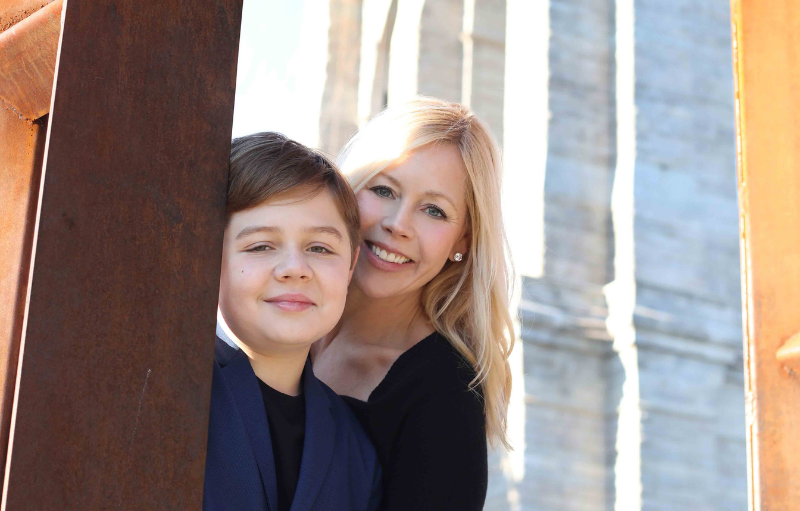
Years later, Sarah’s son Sully began developing similar symptoms, including frequent nosebleeds and headaches.
This time, Sarah recognized the warning signs.
“I know HHT is genetic,” she says. “I didn’t want to take any chances.”
Sully was tested at Boston Children’s Hospital using GeneDx genetic testing, which can analyze thousands of genes simultaneously to identify the genetic cause of rare diseases.
The results confirmed that he also had HHT.
Unlike Sarah, whose diagnosis took years, Sully received answers within weeks.
“It wasn’t that scary,” Sully says. “My mom had already told me about it.”
Turning Diagnosis Into Advocacy
Today, Sarah and Sully both attend routine screenings to monitor potential complications associated with HHT.
Early detection allows doctors to intervene sooner and manage risks.
For many families, receiving a diagnosis marks the moment their search for answers finally ends and life can begin to move forward.
Sarah has also become a rare disease advocate.
After receiving her diagnosis, she founded the Serenely Guided Foundation, an organization dedicated to helping rare disease patients and caregivers access resources, education, and community support.
Sully has followed in her footsteps.
He participates in awareness events and speaks with other children about rare diseases.
And he continues to live an active life.
Today, he plays football, basketball, lacrosse, and practices jiu-jitsu.
Advice From Sully
Sully shares several tips for other children living with HHT:
- Keep track of your symptoms, especially nosebleeds
- Speak up if you don’t feel well
- Stay positive and find things that inspire you
- Bring something comforting when visiting the hospital
- Build relationships with your care team
“Say something,” Sully advises. “If you don’t feel right, let someone know.”