
By Lisa Gurry
At GeneDx, we believe diagnosis is power. For 25 years, we have worked to help patients and families facing rare disease get answers faster and turn each answer into knowledge that can advance research, inform care, and accelerate therapeutic development. Through more than 2.5 million genetic tests and more than 500 gene-disease discoveries, we have seen how better data can do more than end a diagnostic odyssey: it can help shape what comes next for patients, clinicians, and biopharma.
But diagnosis should not be the end of the story.
Every patient we serve contributes to something larger. Each test, each phenotype, and each diagnosis adds to a growing body of knowledge that can help accelerate discovery, shorten time to treatment, and improve how the system works for patients, families, clinicians, and biopharma.
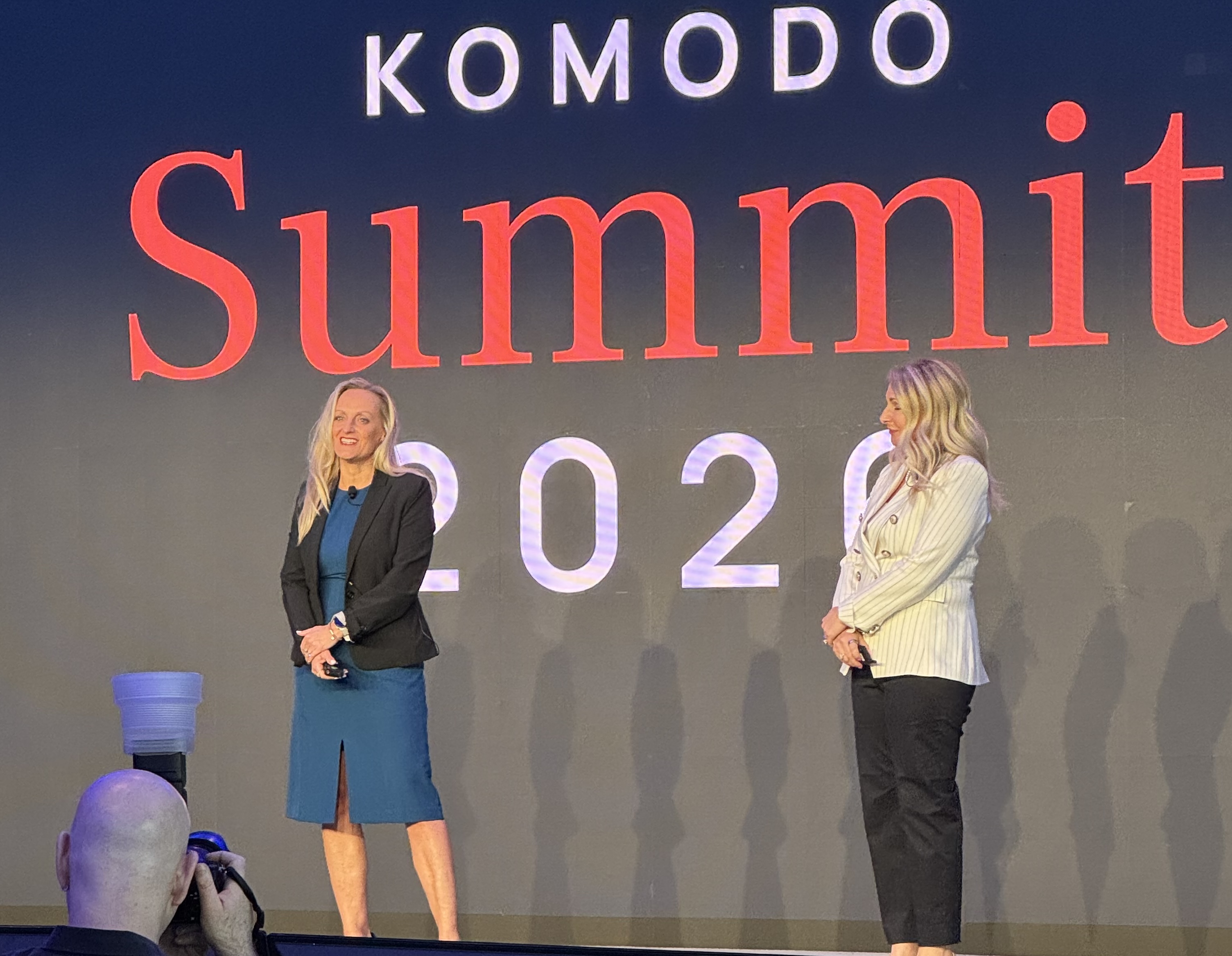
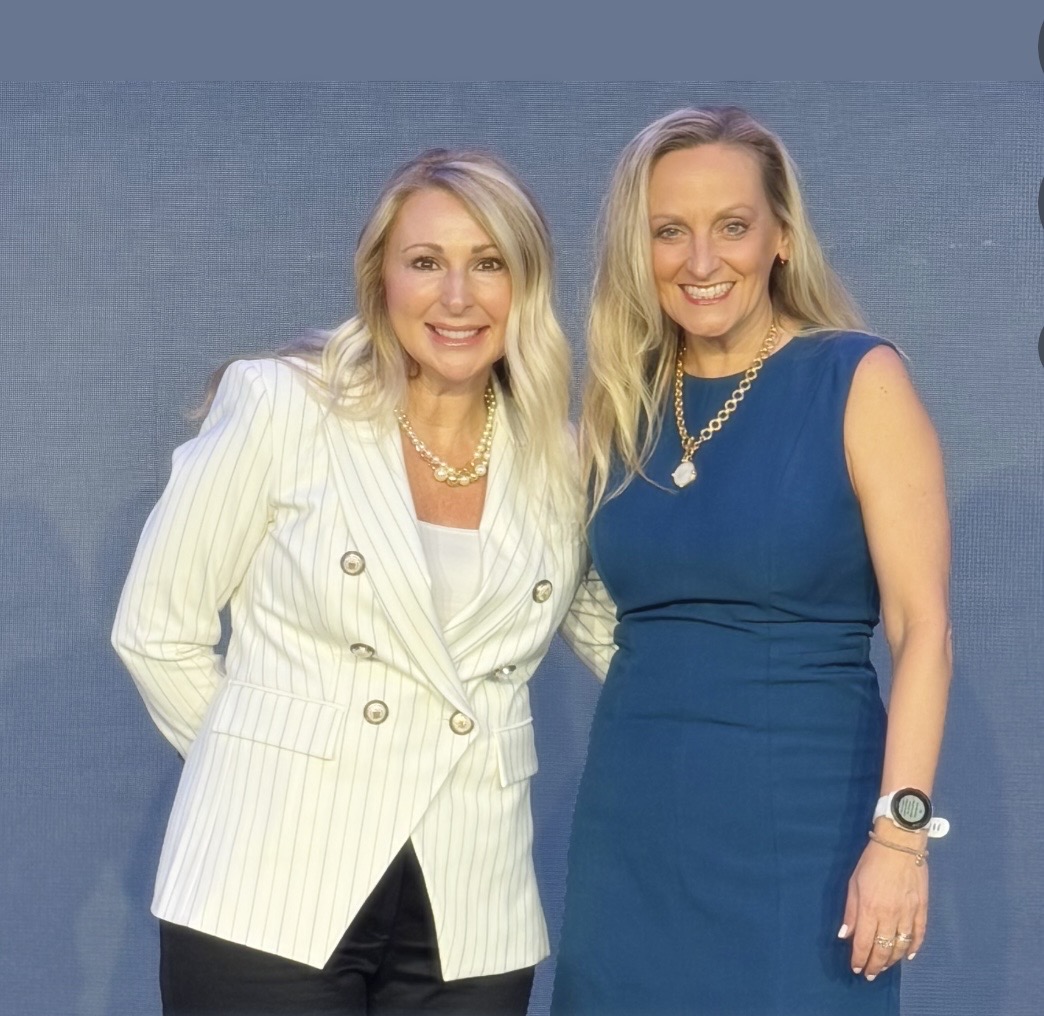
It was an honor to open Komodo Summit this week with Kari Neidigh and join biopharma leaders across the industry for a conversation about what connected data can make possible. When genomic insights are linked with a more complete view of the patient journey, we can better understand disease progression, burden of disease, care pathways, outcomes, and unmet need.
How GeneDx is connecting genomic and real-world data
With GeneDx Infinity™, the world’s largest rare disease genomic dataset, we are fueling therapeutic discovery, accelerating clinical development, and advancing research. Built from more than 1 million exomes and genomes, more than 2.5 million genetic tests, and more than 8 million phenotypic datapoints, Infinity is a living, growing dataset that becomes more powerful with every patient sequenced by GeneDx.
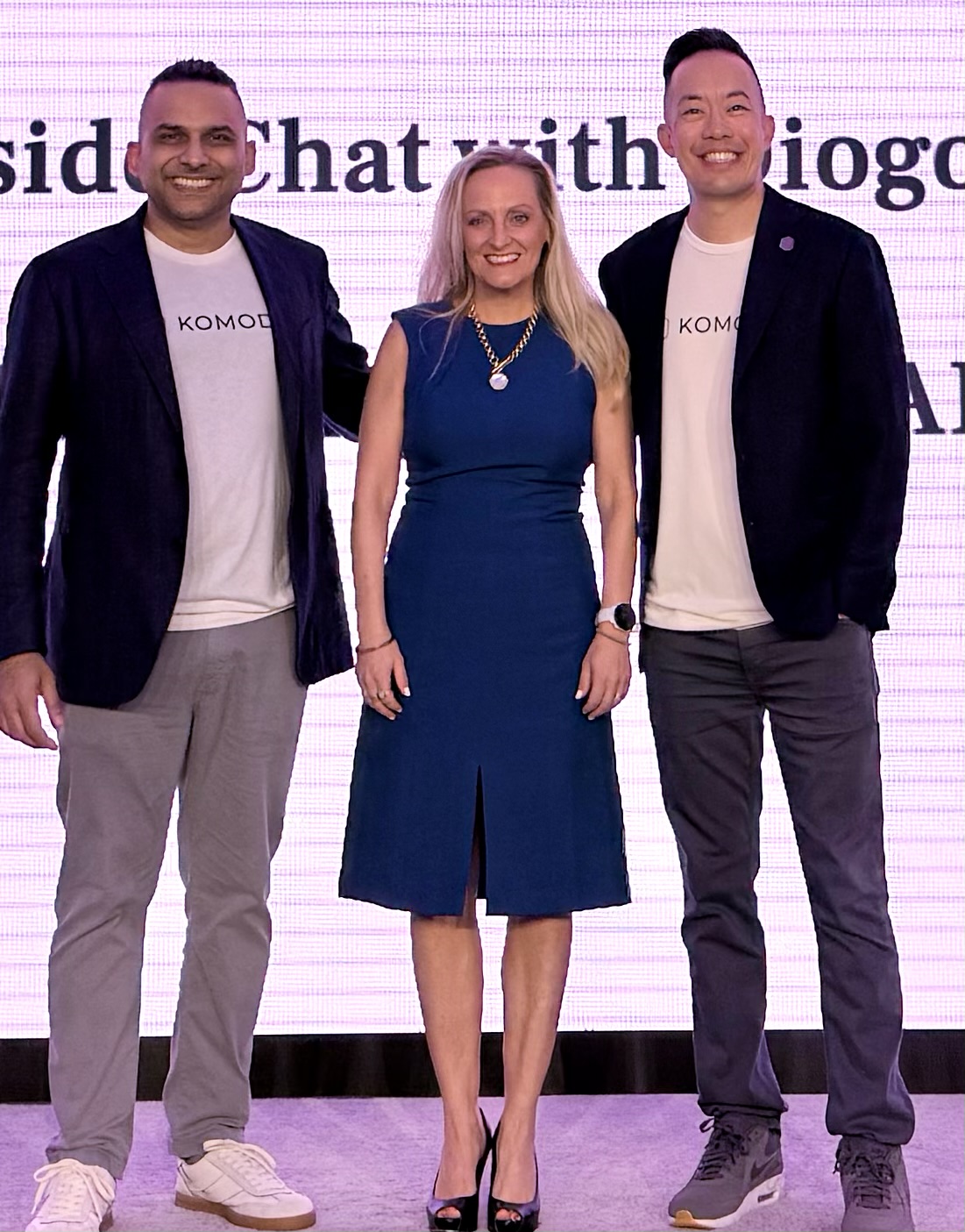
Through our partnership with Komodo Health, we connect that genomic and phenotypic data with longitudinal real-world claims data to create one of the most comprehensive rare disease datasets in healthcare.
That matters for biopharma. It can help improve target identification, inform natural history studies, support smarter trial design and patient identification, strengthen health economics and outcomes research, and ultimately help get the right therapies to the right patients faster.
Because when we connect data across the ecosystem, we move from isolated insights to real impact.
Rare disease isn’t rare — but answers and therapies still are
More than 400 million people around the world are living with a rare disease. For too many of them, the path to diagnosis and effective treatment is still long, fragmented, and incomplete. In fact, 95% of rare diseases still have no FDA-approved therapies.
For families, delay can mean missed time: time without clarity, time without community, and in some cases time without access to interventions that could change the course of care.
For biopharma, the challenge is equally clear. Rare disease drug development remains difficult, costly, and slow. One of the biggest barriers is incomplete visibility: understanding the true patient population, how disease progresses over time, where patients are in the system, and what outcomes matter most.
That is where connected, longitudinal datasets can change the equation. When genomic data is paired with real-world evidence, it becomes possible to identify patterns earlier, generate stronger evidence, and make better decisions across discovery, development, access, and outcomes.
How partnerships are accelerating rare disease innovation
We are no longer limited by the same constraints we faced even a few years ago. Advances in genomic sequencing, AI, and real-world data have fundamentally changed what is possible.
Just as important, we are no longer working in silos.
Partnerships like the one between GeneDx and Komodo Health make it possible to connect genomic insight with real-world outcomes at scale. That connection helps illuminate the full rare disease journey—from diagnosis to treatment to long-term outcomes—and gives biopharma a stronger foundation for action.
This is how we move from data to intelligence, and from intelligence to impact.
What comes next for rare disease innovation
For me, this work has always been about making sure diagnosis leads somewhere meaningful.
It is about shortening the path to answers.
It is about giving clinicians and families better information, earlier.
And it is about helping create a future where rare disease patients do not just receive a diagnosis—they gain a clearer path to treatment, research, and better outcomes.
We have the tools. We have the data. And increasingly, we have the partnerships to connect it all.
Now it is on all of us—across healthcare, biopharma, and policy—to use that foundation to accelerate innovation and improve care for the patients and families counting on us.